
A furniture brand can do everything right at the top of the funnel and still lose the sale on the product page. That was the situation a US upholstered furniture brand brought to us. Qualified visitors were reaching product pages, engaging briefly, then leaving before checkout. The traffic was there. The interest was there. The conversion was not.
They did not need more visitors. They needed the visitors they already had to stop dropping off. This is how we diagnosed the leak and closed it with an interactive 3D and AR pipeline, starting from a single free test render before the client committed to a full build.
If you run a furniture brand and your product pages attract visitors but lose them before checkout, this case study is written for you.
About the client
furniture (sofas
and sectionals)
direct-to-
consumer
commerce store
assets
photography
only
NDA
told a different story.
The challenge
Furniture is a high-consideration purchase. The shopper is committing to a large, expensive item they cannot touch, so they arrive with a fixed set of evaluation questions. Flat photography could not answer them, which is where the drop-off started.
Shopper’s real question | What flat photography delivered | What 3D and AR resolve |
What do the back and underside look like? | Fixed front and angled hero only | Full 360-degree inspection of every face |
How does the fabric read up close? | Compressed detail, inconsistent color | Zoomable weave, sheen, and material accuracy |
How big is it, and will it fit my room? | No reliable sense of scale | True-to-scale AR placement in the shopper’s space |
Does this configuration work? | One or two static variants | Interactive configuration and fabric swaps |
Every unanswered question was a reason to leave. The drop-off carried two costs: lost sales from traffic the brand had already paid to acquire and a high return rate driven by shoppers who guessed at scale and materials, then returned pieces when the physical item did not match the photo.
The brief was direct. Stop the drop-off. Hold qualified traffic on the page long enough to buy with confidence.
Where we started: a diagnosis, not a pitch
The owner found us through Google. Instead of quoting a package, we ran a short diagnostic call on one condition: no purchase required. The goal was to locate why qualified traffic was leaving, not to sell a render.
The call isolated the failure point. Interest was genuine, but the product page could not support product evaluation for a considered purchase. This was not a traffic-acquisition problem or a product-quality problem. It was a product presentation problem at the exact moment of decision.
Validate on one product before scaling
We did not start with the full catalog. We started with a controlled test on a single product.
Selected one representative product and produced a free test render.
Replaced the flat images with an interactive 3D model: full 360-degree rotation, close-up material detail, and true-to-scale geometry.
Added an AR view so shoppers could place the piece in their own room through a phone camera.
Left it live and measured the behavioral change against the previous flat-image baseline.
One page. One product. Real shopper behavior as the test signal.
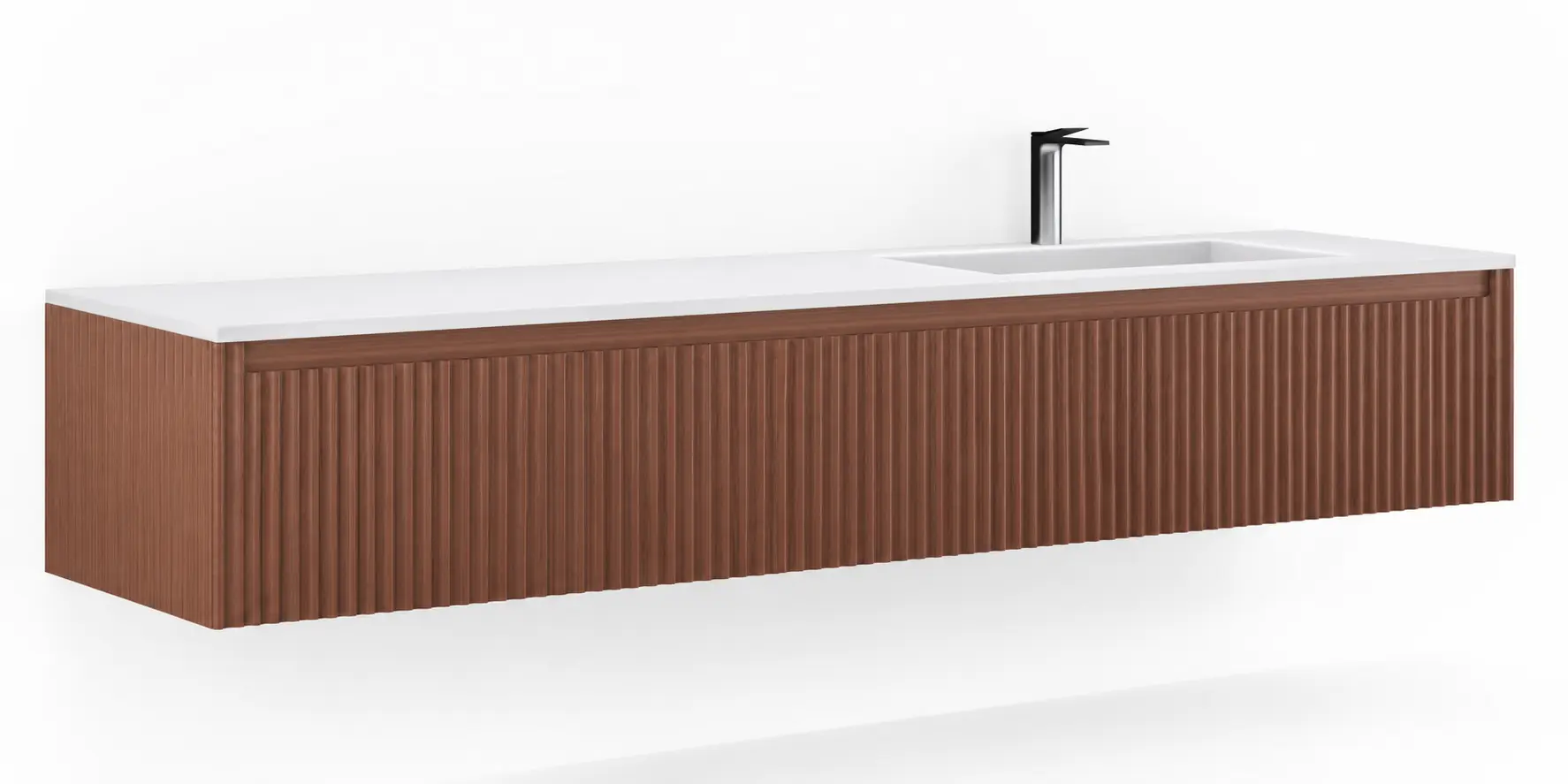
BEFORE STATIC IMAGE
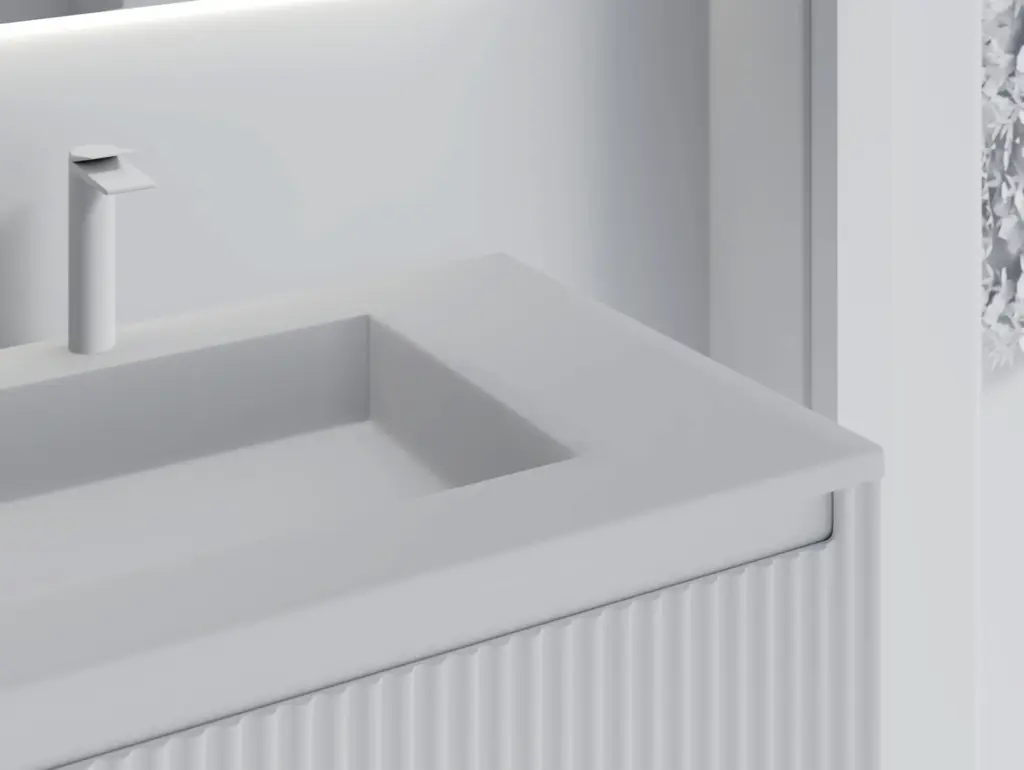
AFTER 3D VIEW
The production pipeline
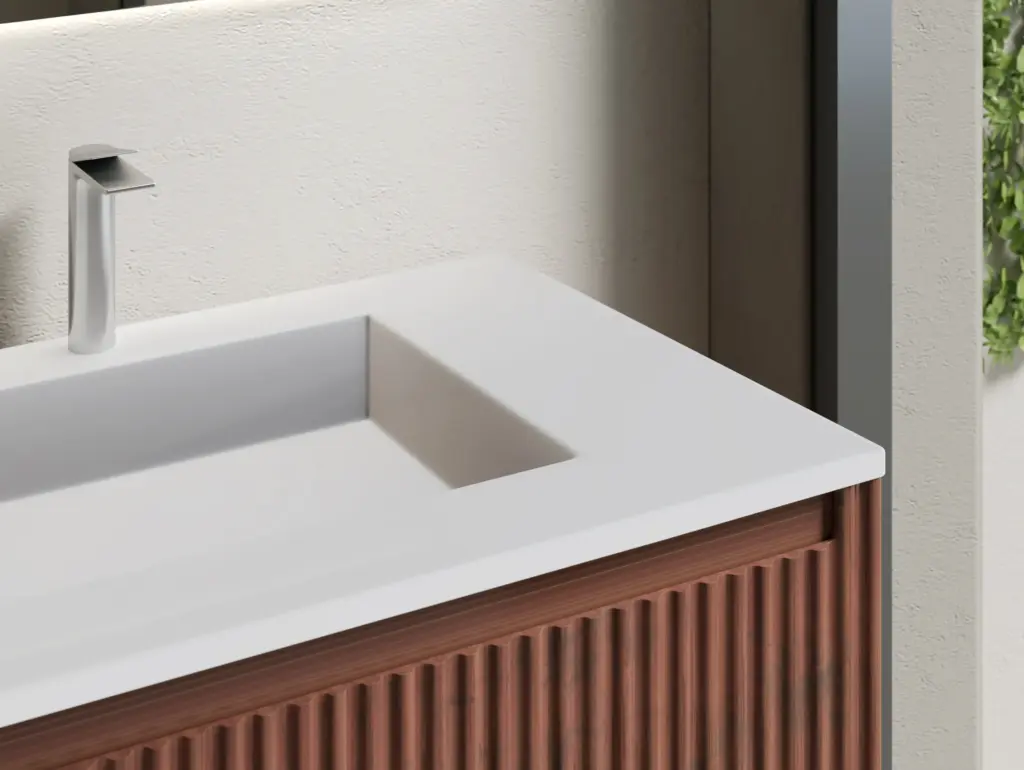
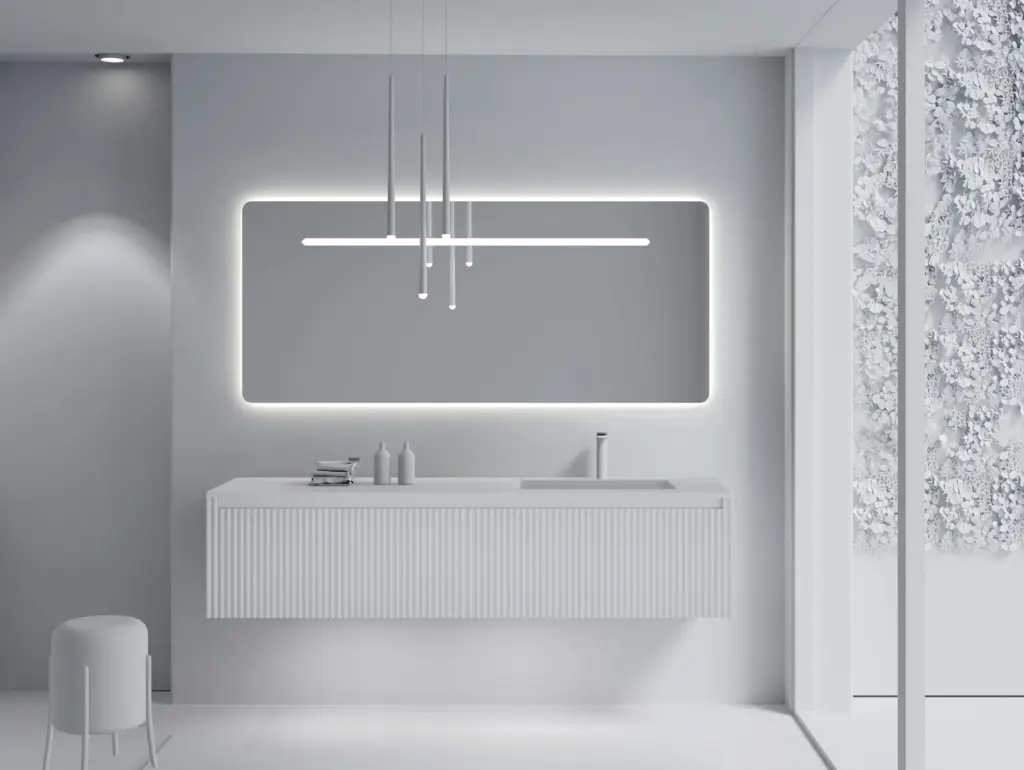
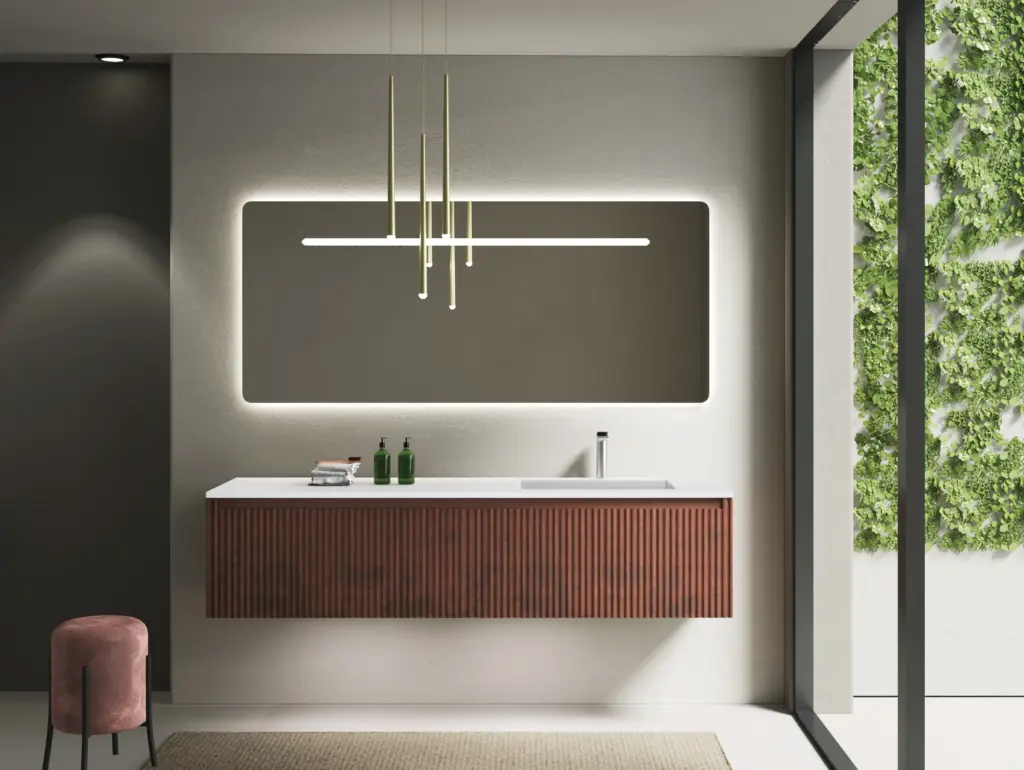
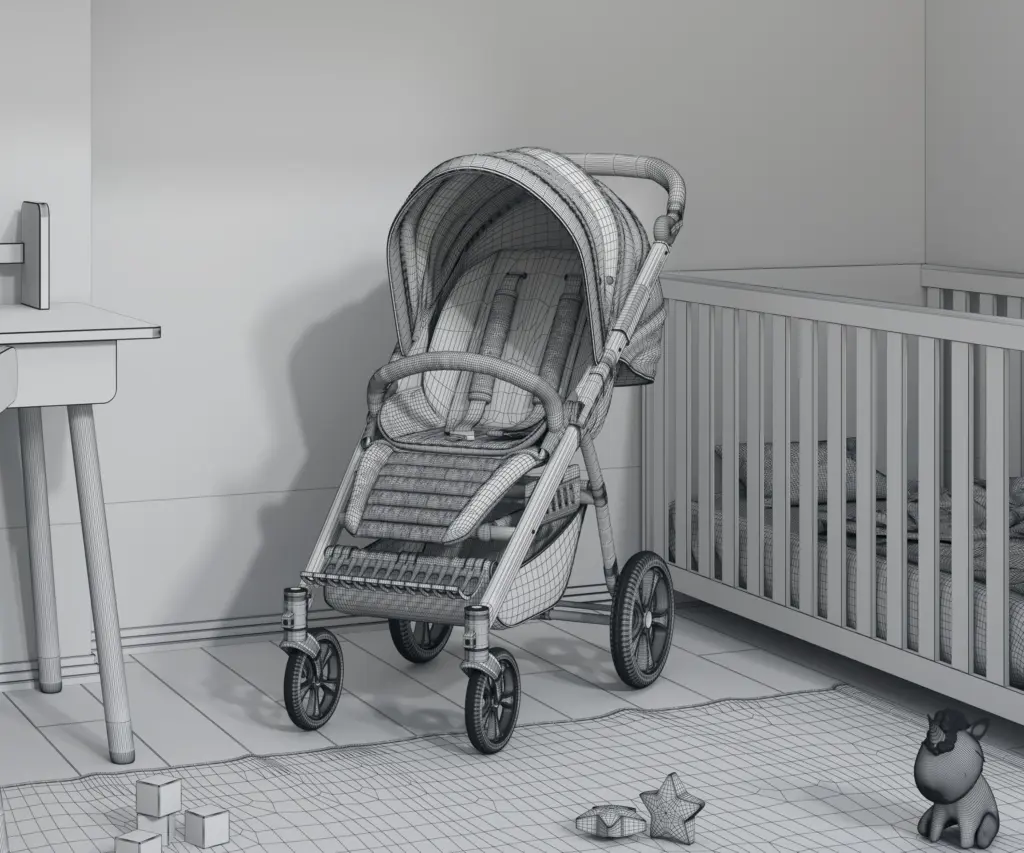
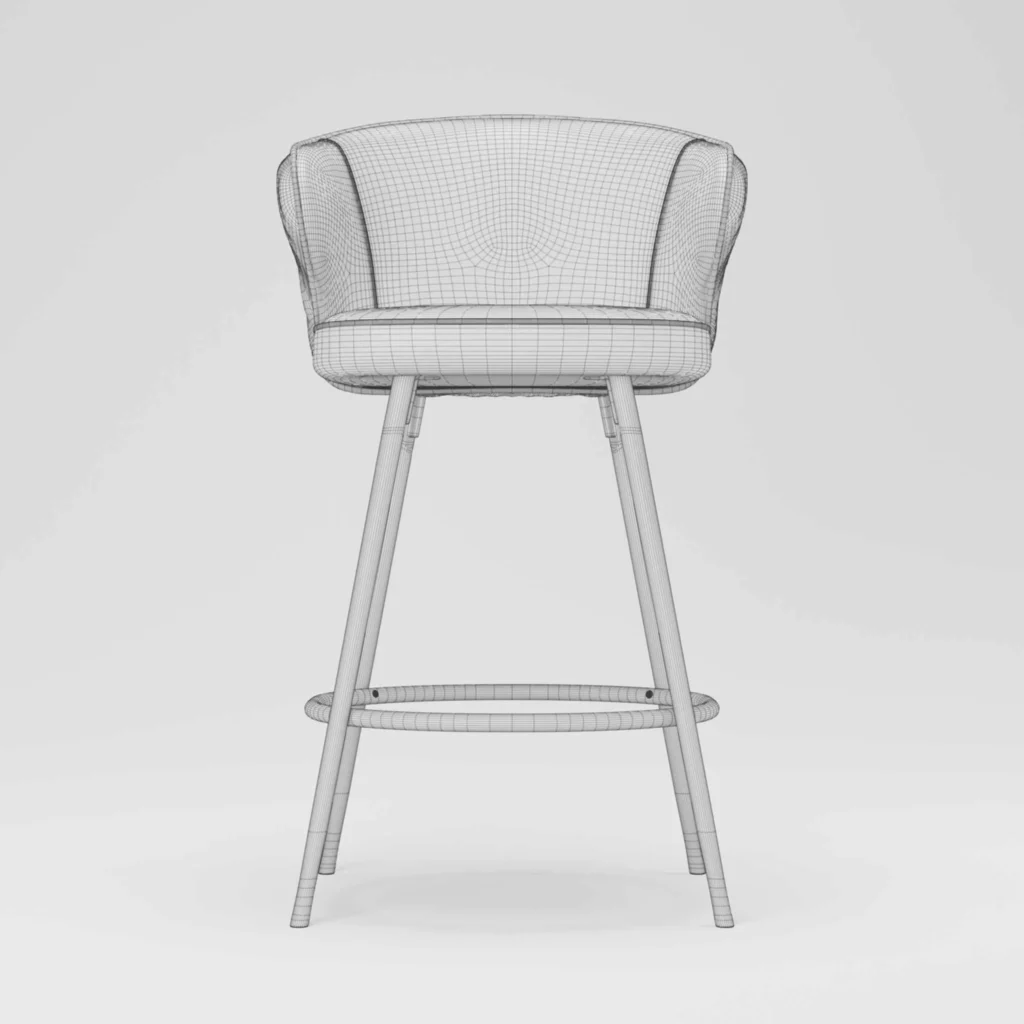
The interactive asset was built through a standard physically based rendering (PBR) pipeline, tuned for both photorealism and web performance.
One decision mattered more than the rest: the interactive model was optimized to load without degrading page speed. Heavy, uncompressed 3D can wreck Largest Contentful Paint and interaction readiness. Compressing geometry and textures and lazy-loading the viewer kept the experience fast, which protected both conversion and Core Web Vitals rather than trading one for the other.
What changed on the page
The behavioral shift showed up quickly. On the page with the interactive model, shoppers:
- Stayed longer instead of leaving within seconds
- Rotated the product to inspect every side, including the back and the base
- Zoomed into fabric and materials to judge texture and quality
- Used AR to view the sofa at real scale in their own space before deciding
The uncertainty that had been pushing people off the page was gone. Shoppers could evaluate the product the way they would in a showroom, without leaving home.
The rollout and deliverables
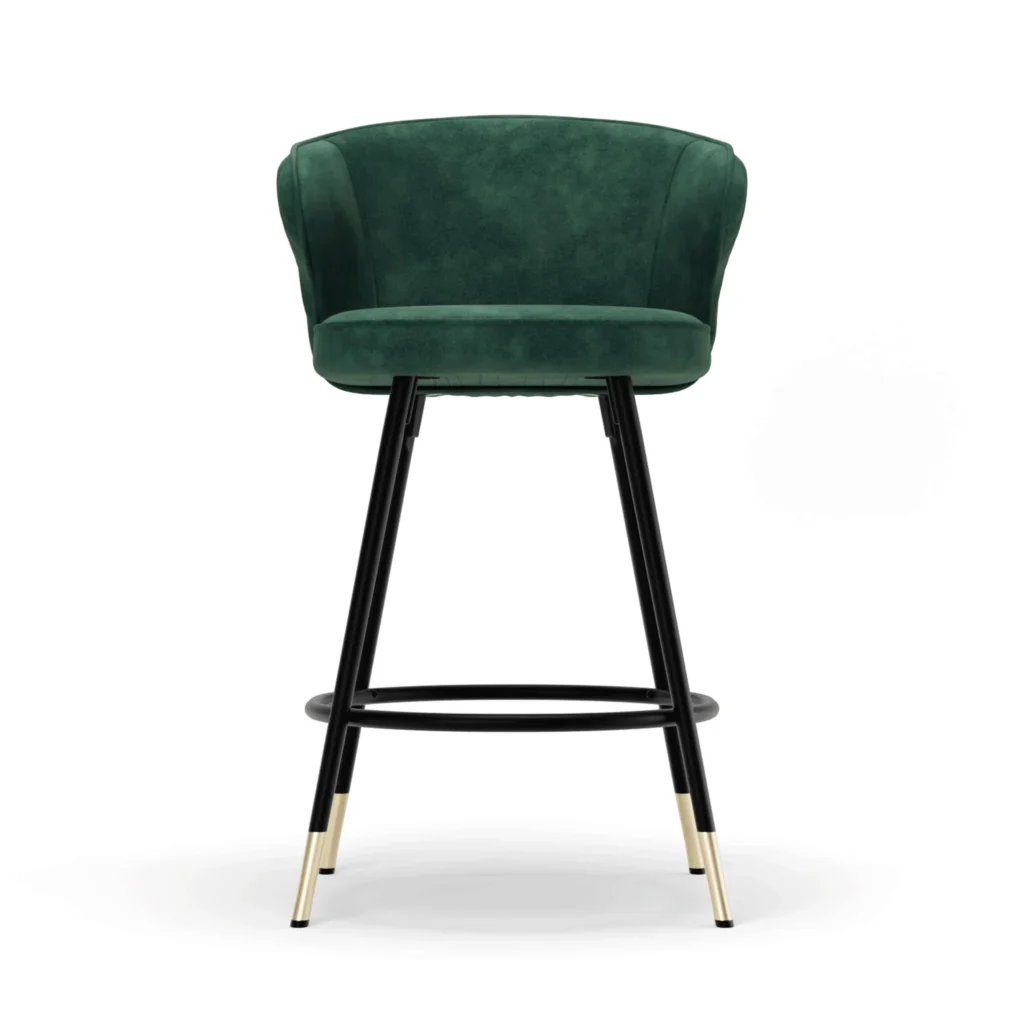
With one page validated by measured behavior rather than a sales deck, the client committed to the full catalog. We modeled the product range and rolled the interactive viewer, 360-degree spins, and AR out site-wide, reusing a single source model per product across every output.
Deliverable | Format | Runs on | Purpose |
JPG / PNG | Product pages, ads, email | High-quality marketing imagery | |
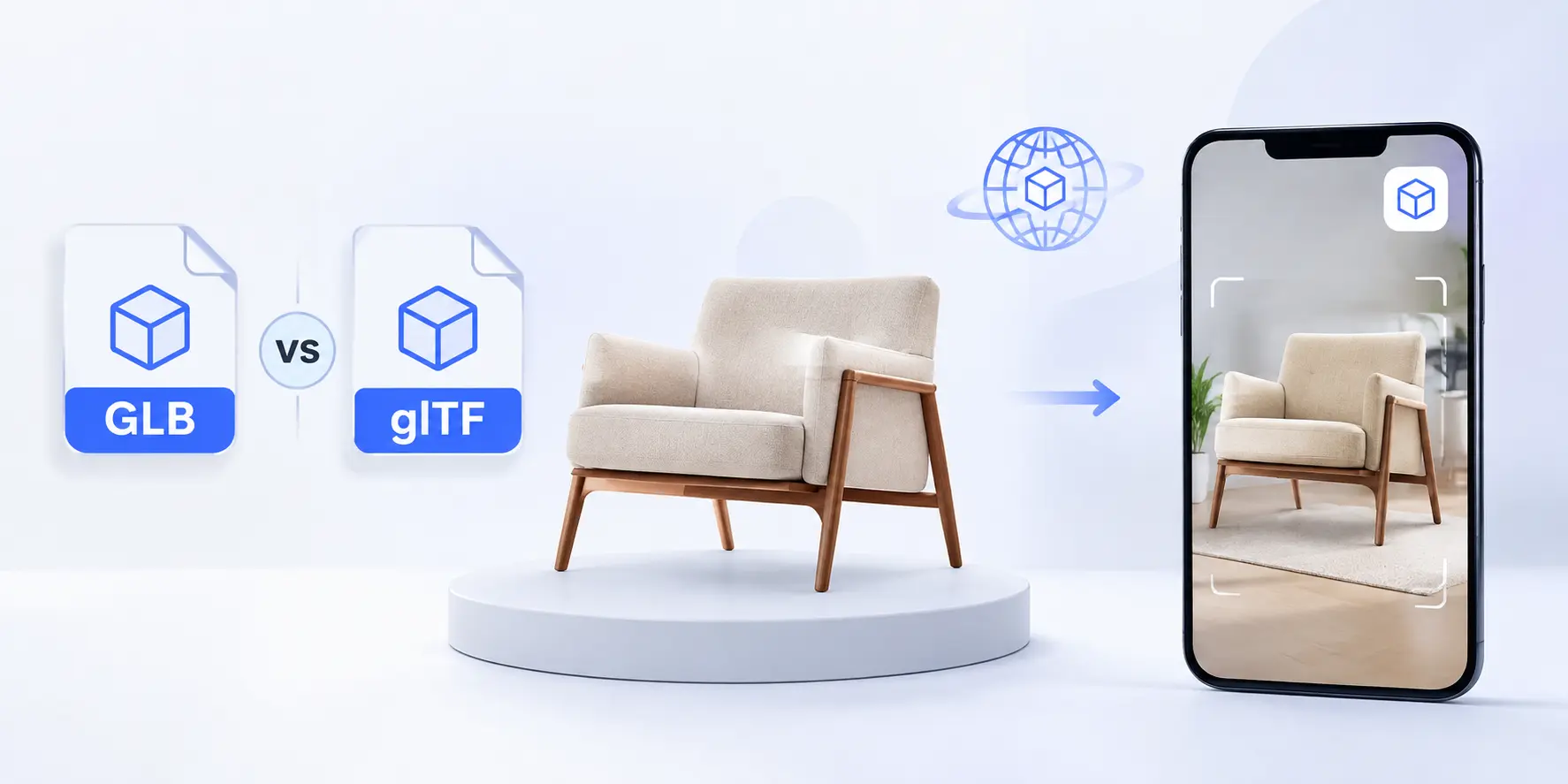
Interactive 3D model | GLB (glTF), Draco + KTX2 compressed | WebGL viewer on product page | 360 inspection and fabric configuration |
AR model | USDZ (iOS) and GLB (Android) | AR Quick Look and Scene Viewer | True-to-scale in-room placement |
360 spin | Rendered image sequence | Product gallery | Lightweight fallback for full rotation |
Because every output derives from one source model, adding a new colorway or SKU is an asset swap, not a new photo shoot.
The results
Over roughly six months, the drop-off problem the brand came to us with reversed.
Metric | Before | After (client-reported) |
Product page engagement | Baseline (flat images) | Up approximately 65% |
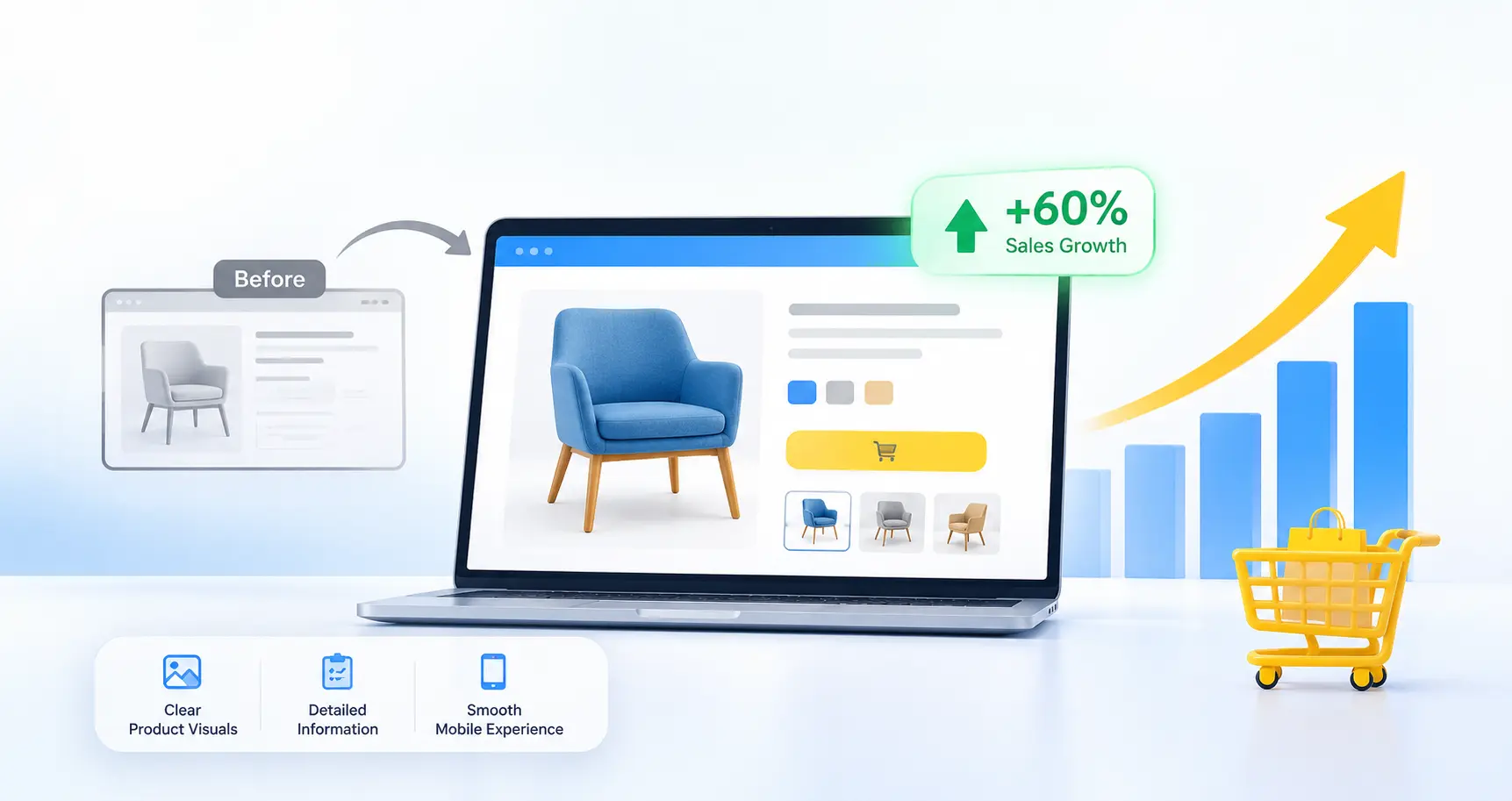
Sales from existing traffic | Baseline | Up approximately 60% |
Return rate | High | Measurably reduced |
Insert exact figures and one hard baseline (for example, product page conversion rate before and after) before publishing. Client-reported percentages are stronger when anchored to a starting number.
The returns result mattered as much as the revenue. In furniture, a return is not just a refund. It is outbound shipping, return shipping, restocking, and lost margin on a heavy item. Letting shoppers verify scale, fabric, and fit before checkout removed the guesswork that generated those returns.
Why it worked
The traffic was never the problem. The product page was. Flat images asked shoppers to imagine a large, expensive purchase. An optimized 3D and AR experience let them evaluate it, and did so without slowing the page down. Removing uncertainty at the moment of decision is what kept qualified visitors on the page and converted the interest the brand was already paying to attract.
Considering 3D and AR for your furniture product pages?
If your product pages attract visitors but lose them before checkout, the fastest way to find the leak is a controlled test on a single product, the same way this brand did. Book a short call and we will show you where your pages are losing shoppers, no purchase required.
FAQ:
1. Why were shoppers leaving the product pages?
Shoppers lacked enough visual information to confidently evaluate furniture size, materials, configurations, and fit.
2. How did 3D visualization reduce product-page drop-off?
Interactive 3D let shoppers rotate, zoom, and inspect the furniture from multiple angles before buying.
3. How did AR help shoppers?
AR let shoppers view the furniture at true scale in their own space before making a purchase.
4. Did the 3D experience slow down the website?
No. The models were optimized with mesh decimation, Draco compression, KTX2 textures, and lazy loading to protect page speed.
5. What results did the client achieve?
The client reported approximately 65% higher product-page engagement and 60% higher sales from existing traffic.
6. Did the client test 3D before scaling?
Yes. We started with one representative product and a free test render before expanding to the full catalog.
7. Can one 3D model be used for multiple outputs?
Yes. A single source model can support product imagery, interactive 3D, 360° views, and AR, while new colorways or SKUs can be handled as asset swaps