
Advertising trends are changing the way furniture brands reach and attract customers. Today, people discover furniture through Google, social media, online marketplaces, and short videos before they decide to buy.
This means traditional advertising is no longer enough. Furniture brands need to follow new trends, use the right marketing channels, and create engaging shopping experiences to stay competitive.
In this blog, you’ll learn the top 10 advertising trends for furniture brands in 2026 and how they can help you reach more customers and grow your sales.
By the end of this guide, you’ll learn:
- The biggest advertising trends shaping the furniture industry in 2026.
- How customer buying behavior has changed and what it means for your brand.
- Which advertising channels deliver the best results for furniture brands.
- How AI, video, retail media, and personalization are changing furniture marketing.
- How 3D furniture visualization helps improve ad performance and customer engagement.
- Practical tips to update your advertising strategy and increase sales.
What Is Advertising?

Advertising is the process of promoting a product, service, or brand to the right audience through paid channels. Its main goal is to increase brand awareness, attract potential customers, and encourage them to take action, such as visiting a website, requesting a quote, or making a purchase.
For furniture brands, advertising goes beyond simply showing products. It helps showcase quality, design, craftsmanship, and the value your products bring to customers. Today, businesses use a mix of digital and traditional advertising channels, including Google Ads, social media, online marketplaces, video platforms, and search engines, to reach buyers throughout their purchasing journey.
What Are Advertising Trends?
Advertising trends are the latest strategies, technologies, and customer behaviors that change how businesses promote their products and services.
These trends evolve as consumer expectations, digital platforms, and marketing tools continue to change.
The recent trends in advertising focus on AI-powered campaigns, personalized marketing, short-form videos, retail media, and interactive shopping experiences. These new trends in advertising help brands create more relevant and engaging campaigns while improving return on investment (ROI).
For furniture brands, keeping up with trends in advertising is essential. Buyers now expect personalized recommendations, realistic product visuals, and seamless shopping experiences across multiple channels. Brands that adapt to these changes are more likely to attract customers, build trust, and increase sales.
Furniture Advertising: Then vs. Now
Furniture advertising has changed dramatically over the past few years. Customers no longer rely only on TV ads or printed catalogs. Today, they research products online, compare brands across multiple platforms, and expect personalized, interactive shopping experiences before making a purchase.
Before | Today (2026) |
Static product photos | Interactive 3D visuals and lifestyle renders |
Broad audience targeting | AI-powered audience targeting |
TV and print advertising | Omnichannel digital advertising |
Generic ads for everyone | Personalized ads based on customer behavior |
Desktop-first shopping | Mobile-first shopping experience |
Manual campaign optimization | AI-driven campaign automation |
Text-heavy advertisements | Short-form video content |
Basic product pages | AR experiences and 360° product views |
Third-party cookie tracking | First-party data and privacy-focused marketing |
Brand-created content only | User-generated content (UGC) and creator partnerships |
How Customer Expectations Have Changed
Today’s furniture buyers expect much more than attractive product photos. They want to see realistic room scenes, watch product videos, explore furniture in 360°, and even place products in their homes using AR before buying. They also expect brands to deliver personalized recommendations and a smooth shopping experience across websites, social media, and online marketplaces. Furniture brands that adapt to these changing expectations are more likely to earn customer trust, increase engagement, and drive more sales.
10 Advertising Trends Every Furniture Brand Should Know
1. AI Can Predict Ad Performance Before You Launch
Artificial Intelligence (AI) is changing the way furniture brands create and manage advertising campaigns. Instead of launching an ad and waiting weeks to see the results, AI can analyze past campaigns, customer behavior, and product data to predict which ads are most likely to perform well. It can also suggest better headlines, images, audiences, and budgets before your campaign starts.
This helps furniture companies spend less money on ads that don’t work while improving their chances of reaching the right customers.
How Furniture Brands Can Win
- Test multiple ad creatives before launching.
- Use AI to identify your highest-converting audience.
- Create multiple 3D lifestyle renders from one furniture model for A/B testing.
- Continuously improve campaigns using AI insights instead of guesswork.
2. Retail Media Is Becoming a Must-Have Advertising Channel
Retail media advertising is growing quickly because shoppers are already ready to buy when they visit marketplaces like Amazon, Wayfair, Walmart, and other furniture websites. Instead of trying to attract customers on social media first, brands can place sponsored products directly where purchase decisions happen.
This makes retail media one of the highest-converting advertising channels for product-based businesses.
How Furniture Brands Can Win
- Invest in sponsored product ads.
- Improve product pages with realistic 3D renders.
- Use lifestyle room images instead of only white-background photos.
- Highlight best-selling products with premium placements.
3. Connected TV (CTV) Advertising Is Growing Every Year
More people now watch Netflix, YouTube, Hulu, Disney+, and other streaming platforms than traditional television. Connected TV combines the visual quality of TV advertising with the targeting capabilities of digital advertising.
Instead of showing the same commercial to everyone, furniture brands can target homeowners, families, apartment renters, or luxury buyers based on interests and demographics.
How Furniture Brands Can Win
- Create short 15–30 second product videos.
- Use animated 3D room scenes instead of expensive video shoots.
- Show furniture in realistic home environments.
- Build brand awareness before customers begin searching.
4. AI Shopping Assistants Are Becoming Part of the Buying Journey
Many shoppers now ask AI assistants for product recommendations before visiting websites. Instead of searching manually, customers ask questions like “What’s the best sofa for a small apartment?” or “Which dining table is best for a family of six?”
If your product information is complete and easy to understand, AI is more likely to recommend your furniture.
How Furniture Brands Can Win
- Write detailed product descriptions.
- Add dimensions, materials, colors, and specifications.
- Use realistic 3D product visuals from multiple angles.
- Keep product information accurate across every platform.
5. Privacy-First Advertising Is Changing Audience Targeting
As third-party cookies disappear, brands can no longer rely on tracking users across the internet. Instead, companies need to build relationships directly with customers through first-party data like email subscribers, website visitors, and loyalty programs.
Brands that collect their own customer data will have better targeting and stronger long-term advertising performance.
How Furniture Brands Can Win
- Grow your email subscriber list.
- Offer downloadable room guides or catalogs.
- Personalize ads based on customer interests.
- Combine customer data with personalized 3D product recommendations.
6. Creator Marketing Builds More Trust Than Traditional Ads
Customers trust interior designers, furniture reviewers, and home décor creators more than traditional advertisements. Instead of polished commercials, buyers want to see real homes, honest reviews, and styling ideas.
Creator partnerships help furniture brands build trust while reaching highly engaged audiences.
How Furniture Brands Can Win
- Partner with home décor influencers.
- Give creators ready-to-use 3D lifestyle renders.
- Create realistic room scenes before physical products launch.
- Reuse creator content in paid advertising campaigns.
7. Customers Expect Helpful and Personalized Ads
Today’s shoppers see hundreds of ads every day. If an advertisement is repetitive or irrelevant, people simply ignore it or block it.
Modern advertising focuses on showing the right message to the right customer at the right time. Helpful, inspiring, and personalized content performs much better than generic sales promotions.
How Furniture Brands Can Win
- Show complete room inspiration instead of single product photos.
- Personalize ads based on browsing behavior.
- Use seasonal lifestyle renders.
- Create ads that solve decorating problems rather than simply promoting discounts.
8. Interactive 3D and AR Experiences Are Replacing Static Product Photos
Furniture is a high-consideration purchase. Customers want to know how a sofa, table, or bed will look inside their home before buying.
Interactive 3D models, 360° product viewers, and AR allow shoppers to rotate products, zoom into details, and virtually place furniture inside their room. These experiences improve buyer confidence and often reduce product returns.
How Furniture Brands Can Win
- Add 360° product viewers.
- Offer AR room placement.
- Create lifestyle renders from one 3D model.
- Reuse the same 3D assets for ads, catalogs, websites, and social media.
9. Omnichannel Advertising Creates Better Customer Experiences
Customers rarely purchase furniture after seeing one advertisement. They may discover a product on Instagram, compare prices on Google, read reviews on marketplaces, and finally purchase from your website.
Successful furniture brands maintain consistent branding across every channel.
How Furniture Brands Can Win
- Keep images and messaging consistent.
- Reuse 3D assets across every platform.
- Connect Google Ads, Meta Ads, Pinterest, email marketing, and marketplaces.
- Make every customer touchpoint feel connected.
10. Real-Time Campaign Optimization Helps Brands Grow Faster
Advertising is no longer something marketers review once a month. Today’s campaigns are optimized every day using live data. Brands can quickly pause poor-performing ads, increase budgets on winning campaigns, and test new creative variations while campaigns are still running.
This leads to better performance and higher return on investment.
How Furniture Brands Can Win
- Monitor campaign performance regularly.
- Test different 3D product renders and room scenes.
- Refresh ad creatives every few weeks.
- Let performance data guide future advertising decisions instead of assumptions.
How 3D Product Visualization Helps Furniture Brands Keep Up with These Advertising Trends
The latest advertising trends all have one thing in common, they rely on engaging visual content. Whether you’re running Google Ads, Meta campaigns, marketplace ads, or working with influencers, high-quality visuals are what grab attention and convince shoppers to learn more.
This is where 3D furniture visualization gives furniture brands a major advantage. Instead of organizing expensive photo shoots every time you launch a new product or update a collection, one 3D model can be used to create unlimited marketing assets. These assets work across websites, social media, marketplaces, catalogs, email campaigns, and even AR experiences.
Here’s how 3D visualization supports modern advertising.
Better-Performing Social Media Ads
People stop scrolling when they see attractive visuals. High-quality 3D lifestyle renders and animations make furniture look more realistic and eye-catching, helping increase clicks, engagement, and conversions on platforms like Facebook, Instagram, Pinterest, and TikTok.
Interactive Product Experiences
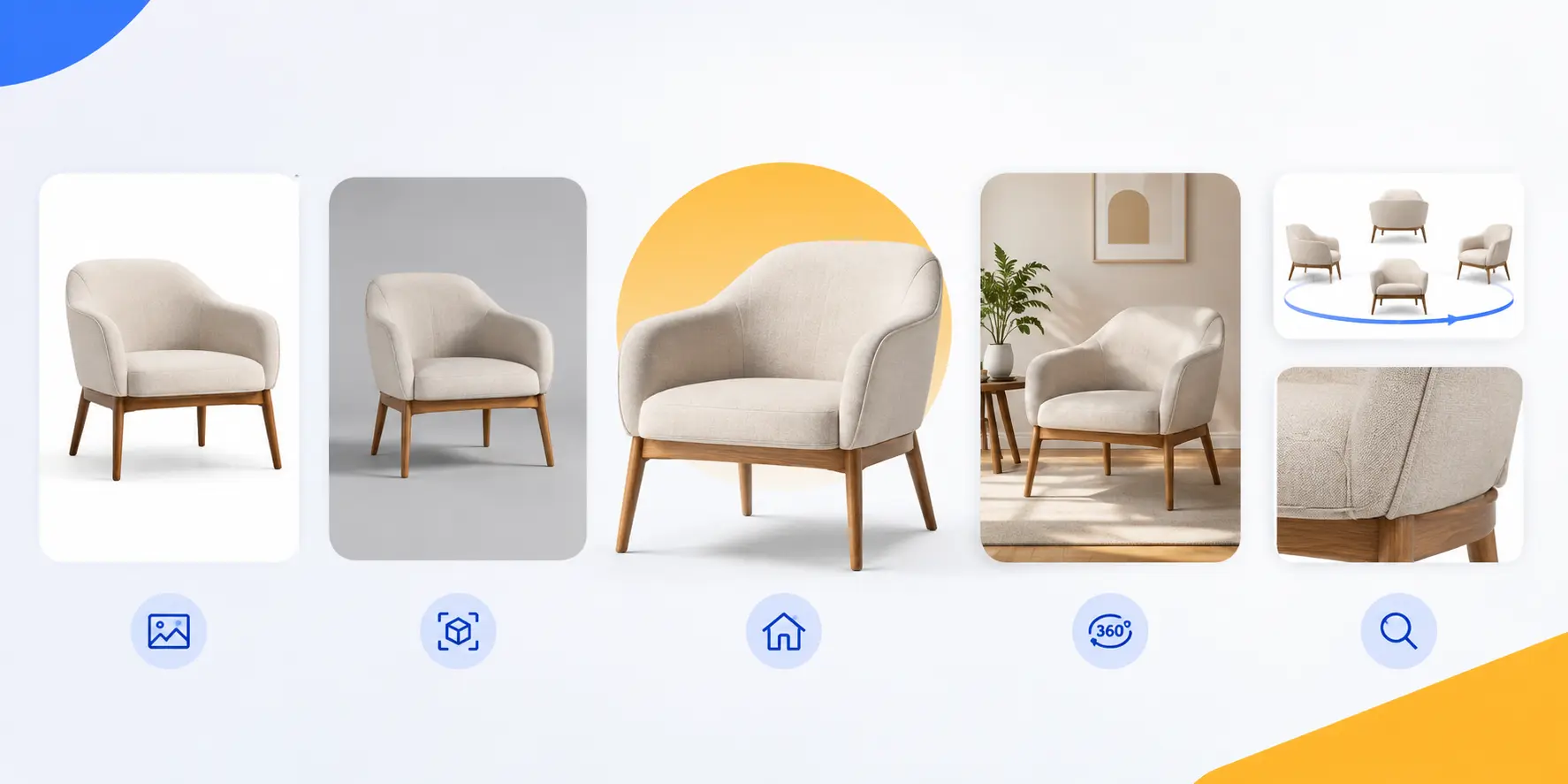
Customers want to explore furniture before buying. Interactive 3D models let shoppers rotate products, zoom in on details, and view furniture from every angle. This builds confidence and keeps visitors engaged longer.
Lifestyle Room Scenes
Instead of showing a chair or sofa on a plain white background, 3D visualization places it inside a beautifully designed room. These lifestyle images help customers imagine the furniture in their own homes, making products feel more desirable.
Personalized Product Customization
Many furniture brands offer different fabrics, wood finishes, and colors. With 3D visualization, you can instantly create images for every variation without photographing each one. Customers can see exactly how their chosen combination will look before placing an order.
AR-Ready Assets
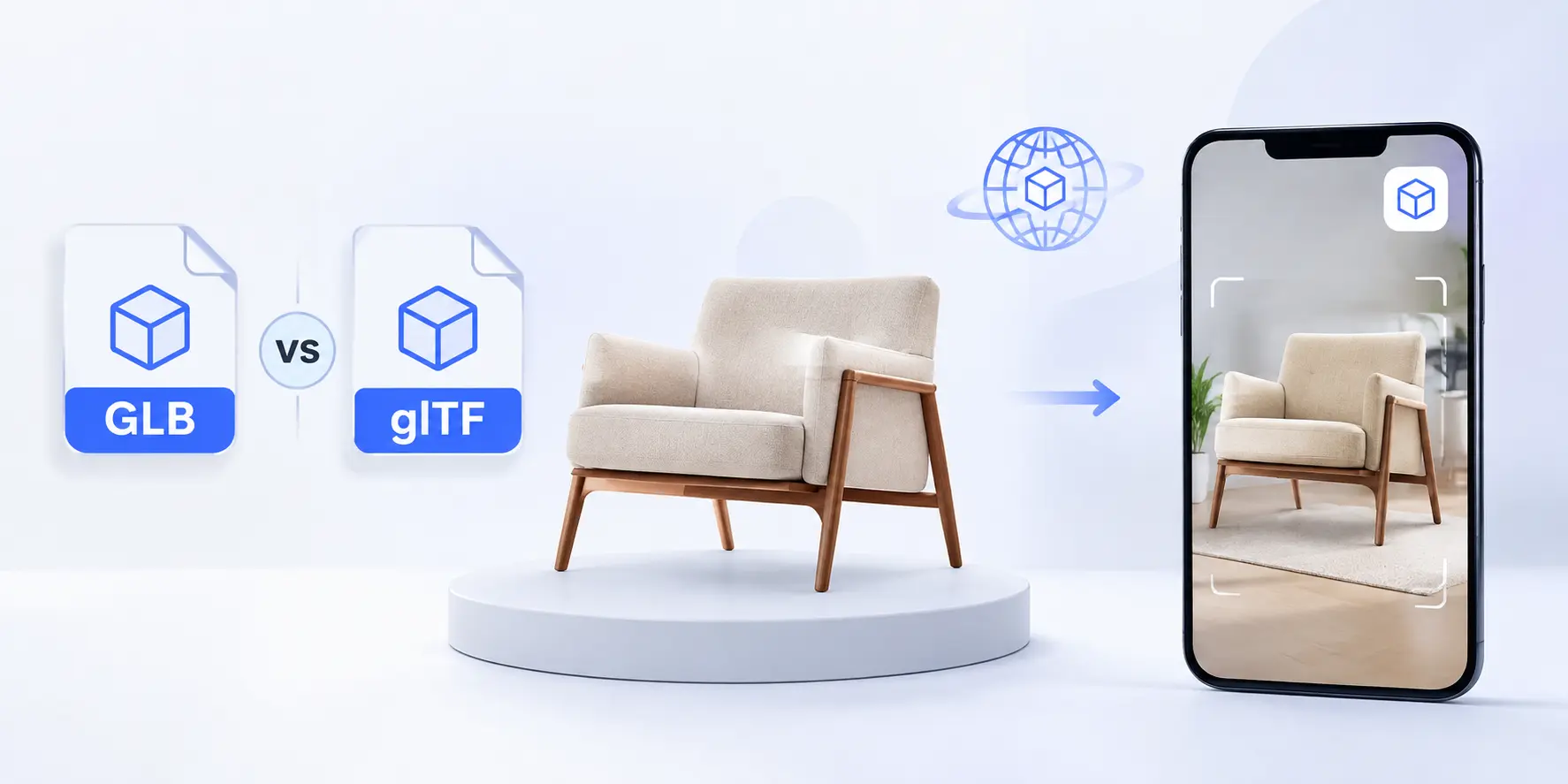
The same 3D model used for product images can also power augmented reality (AR). Customers can place furniture inside their living room using their phone, helping them check size, style, and fit before buying.
Faster Content Creation
Traditional photography takes time, planning, and a large budget. With 3D assets, you can quickly create new product images, banners, social media posts, videos, and seasonal campaigns without arranging another photoshoot.
Higher Customer Engagement
Interactive visuals naturally attract more attention than static product photos. Features like 360° product viewers, animations, and AR experiences encourage customers to spend more time exploring your products.
Improved Advertising ROI
One 3D furniture model can generate hundreds of marketing assets, including product images, lifestyle renders, videos, animations, catalogs, and social media posts. This lowers content production costs while giving your marketing team more creative options to test, improving the return on your advertising investment.
Fewer Product Returns
One of the biggest reasons furniture gets returned is that customers receive something different from what they expected. Realistic 3D renders, accurate dimensions, and AR previews help shoppers make better buying decisions, reducing returns and increasing customer satisfaction.
Consistent Visuals Across Every Marketing Channel
Your website, online store, social media, marketplaces, email campaigns, printed catalogs, and advertisements should all show the same product in the same quality. Because every image comes from one 3D model, your branding stays consistent while saving time and maintaining a professional look across every channel.
Advertising is becoming more visual, more personalized, and more interactive. Furniture brands that invest in high-quality 3D product visualization can create better campaigns, produce content faster, reduce marketing costs, and deliver the shopping experience modern customers expect. Rather than supporting just one advertising trend, 3D visualization helps brands stay competitive across almost every marketing channel.
Frequently Asked Questions
Q: What are the latest advertising trends for furniture brands?
AI advertising, retail media, Connected TV (CTV), creator marketing, interactive 3D, AR, and omnichannel marketing are some of the biggest advertising trends in 2026.
Q: Which advertising trend delivers the best ROI?
The best ROI usually comes from combining AI-powered targeting, personalized ads, retail media, and high-quality visual content.
Q: Why are 3D product visuals important in furniture advertising?
3D visuals make products more attractive, support AR experiences, improve ad performance, and help customers buy with confidence.
Q: How is AI changing furniture advertising?
AI helps brands create better ads, target the right audience, predict campaign performance, and optimize advertising budgets.
Q: What advertising channels work best for furniture brands?
Google Ads, Meta (Facebook and Instagram), Pinterest, YouTube, TikTok, retail media platforms, and email marketing are among the most effective channels.
Final Thoughts
Advertising trends continue to evolve, and furniture brands that adapt early will have a competitive advantage. By combining AI, omnichannel marketing, creator content, and interactive shopping experiences, you can reach more customers and improve your marketing results.
Ready to Upgrade Your Furniture Marketing?
At Orbe3D, we help furniture brands create high-quality 3D furniture visualization, lifestyle renders, animations, and AR-ready assets that improve advertising performance across every channel. Whether you’re launching a new collection or scaling your marketing, our 3D solutions help you create better content faster, increase customer engagement, and drive more sales.
Get in touch with Orbe3D today and discover how professional 3D visualization can power your next advertising campaign.